Computer Science · Encryption Unit · Session 5 of 8
You used at least three of these before lunch.
By now you've met symmetric encryption, public-key encryption, and hashing individually. This session is about recognising them out in the wild — in the card you tap, the health record a hospital sends, and the growing list of everyday devices that quietly depend on all three.
Executive summary
Goal: identify which type of encryption (or hashing) is at work in a range of real, everyday technologies, and explain the opportunity each one provides.
| Time | Segment |
|---|---|
| 0–10 min | Diagnostic: today's encryption, counted |
| 10–30 min | Explaining contactless payments and healthcare data |
| 30–45 min | Worked example: a hospital referral |
| 45–55 min | Activity: match the technology |
| 55–60 min | Exit question and key terms |
Before you start
Contactless payments
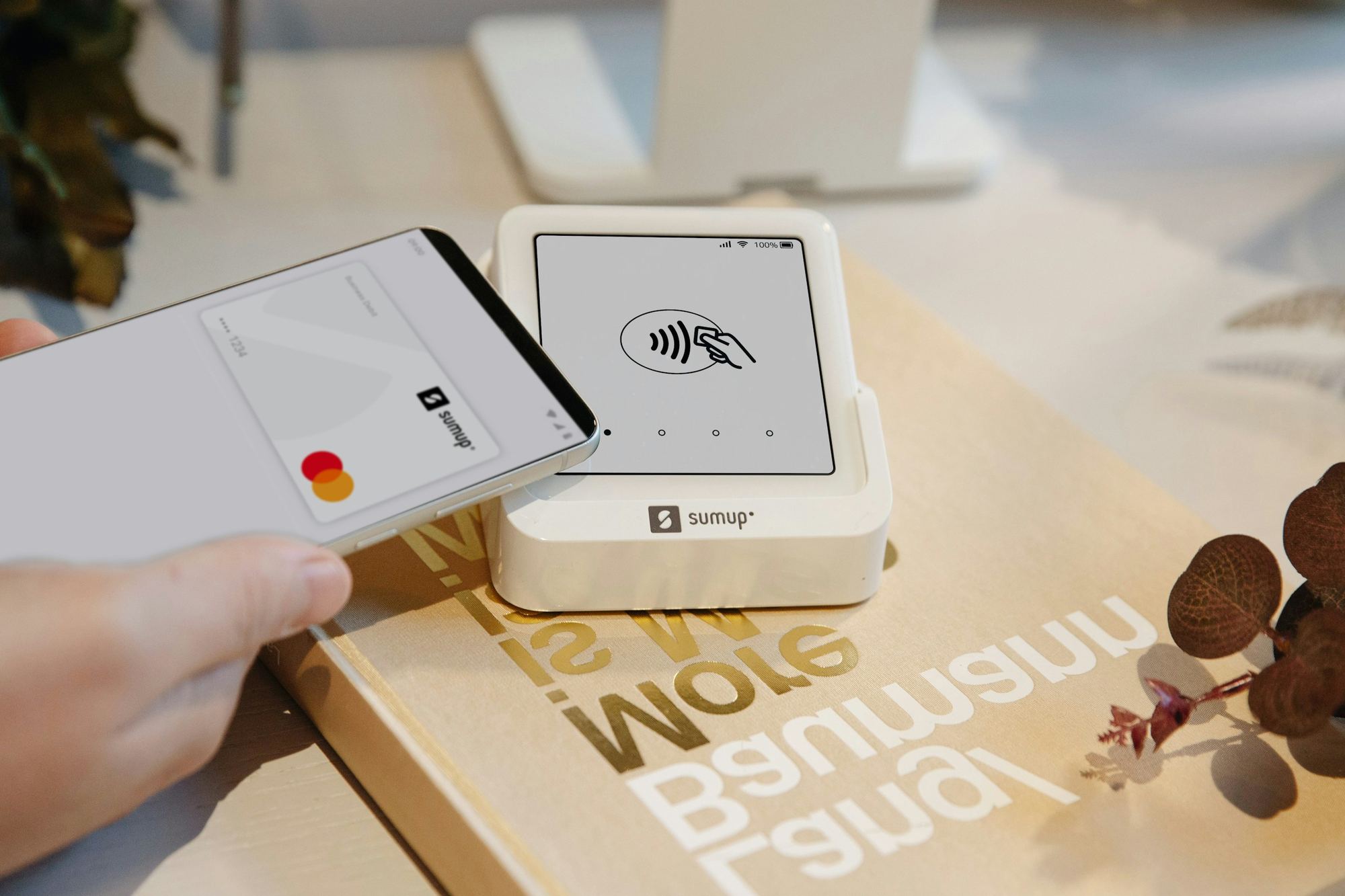
Tapping a card or phone on an EFTPOS terminal uses a chip-based standard (EMV) that generates a unique, single-use transaction code for every single tap — even if you tap the same card on the same terminal twice in a row, the code sent is different each time. This is deliberately similar to the rolling-code garage door remote from Session 2: a fixed, reusable card number sent in the clear would be trivial to intercept and replay, so the system is built to make every transaction cryptographically unique.
When you add a card to Apple Pay or Google Pay, the system goes a step further using tokenisation: your actual card number is never stored on the phone or sent to the terminal at all. Instead, a substitute number (a token) tied to that specific phone is used, and it's meaningless if intercepted or stolen, because it can't be used anywhere else.
Activity: match the technology
For each technology below, name which concept from this unit (symmetric encryption, public-key encryption/HTTPS, or hashing/salting) is most directly responsible for protecting it, and explain your reasoning in one sentence.
- A hospital's stored database of patient records, sitting on its own servers.
- A doctor logging into that hospital's system with a username and password.
- A patient's referral letter being transmitted, in real time, to a specialist at another hospital.
- A contactless card generating a different transaction code every time it's tapped.
Reveal model answers and check your work
- Symmetric encryption (AES). Large amounts of stored data are typically encrypted at rest using a fast symmetric algorithm, since there's no need to solve a key-exchange problem for data that isn't being transmitted to someone else.
- Hashing and salting. The login system compares a hash of the entered password against the stored, salted hash — it should never store or compare the actual password.
- Public-key encryption / HTTPS-style connection. Two systems that have never directly shared a key before need to establish trust and agree on a secure channel — the same key-exchange problem HTTPS solves for websites.
- Symmetric encryption, generating a unique code per transaction — conceptually similar to a rolling-code system, so a captured code can't simply be replayed.
Exit question
Choose one real, everyday technology not already discussed in this session, and explain which type of encryption (or hashing) it most likely relies on, and why.
Key terms
- EMV
- tokenisation
- data at rest
- health information privacy
- 1
- 2
- 3
- 4
- 5
- 6
- 7
- 8